How to Understand What Your Little One is Really Telling You in the Water
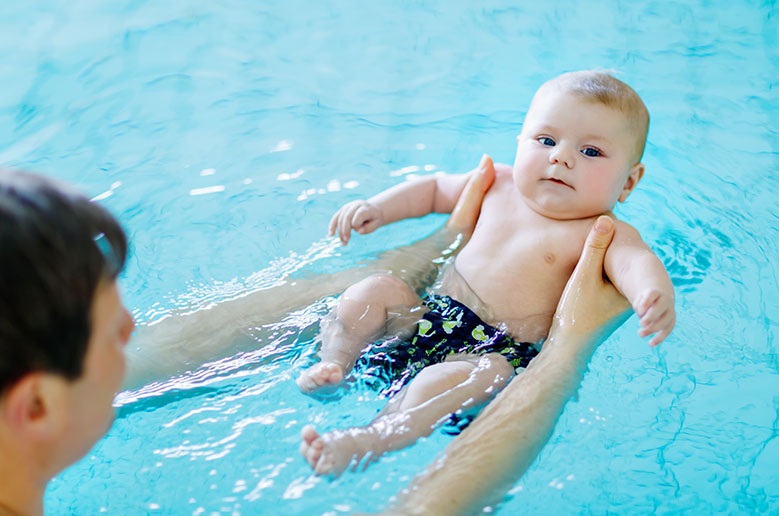
At AQUAfin Swim School, we know that babies may not have words yet, but they’re always communicating. From wide eyes to wiggly toes, every coo, cry, and splash is your baby’s way of telling you how they feel. For parents, especially those just starting out in the water, it can be hard to know what those signals mean. The good news is, you don’t have to be a baby expert to tune in.
Here’s a helpful guide to understanding your baby’s cues during swim lessons and how to respond in ways that build comfort, confidence, and connection in the water.
The Wide-Eyed Look
What it means: Curiosity, alertness, or mild uncertainty
How to respond: Stay calm and encouraging. Your baby is taking in the new environment. Use a gentle voice, smile often, and let them observe before expecting too much interaction. A little eye contact and a warm tone help reassure them.
Fussiness or Tears
What it means: Overstimulation, discomfort, or tiredness
How to respond: Don’t worry, crying is a normal reaction to something new. Try holding your baby close, speaking softly, or gently splashing together. Sometimes a short break or change in position helps. If your baby continues to cry, our instructors can suggest comfort holds or alternative strategies to ease the transition.
Stillness or Lack of Expression
What it means: Processing the experience or uncertainty
How to respond: Give it time. Some babies are more reserved and need a few lessons to feel comfortable. Avoid pushing too quickly. Offer calm encouragement and celebrate small moments of engagement, such as eye contact or reaching toward the water.
Smiles, Giggles, or Splashing
What it means: Joy, comfort, and engagement
How to respond: Keep it going. Your baby is beginning to enjoy the water and feel safe. This is where the bonding happens. Join in their excitement and let that positive energy reinforce their progress.
Yawning, Rubbing Eyes, or Clinginess
What it means: Fatigue or need for a break
How to respond: Swim lessons can be tiring, especially for little ones. If your baby seems sleepy or clingy, it’s perfectly fine to slow down or end the lesson early. Our instructors understand that every child has different needs and energy levels.
Why These Signals Matter
When you tune into your baby’s signals, you’re helping them feel safe and supported, both physically and emotionally. This creates a strong foundation for water confidence, skill development, and bonding time together. At AQUAfin, our instructors are trained to read these cues and adapt to each child’s unique pace and personality.
One Last Reminder: Trust Your Instincts
You know your baby best. If something doesn’t feel right, speak up. If your child makes progress, celebrate it. We’re here to support your family’s swim journey with care, patience, and expert guidance.
Interested in learning more about our parent-and-tot classes for babies as young as two months old? Visit aquafinswimschool.com to get started.

